


Rideshare Accident Lawyer in Houston
Table of Contents
The Uber ride was supposed to be the simple part of your day, and instead you are hurt and fielding calls from two insurers who each point to the other. Whose coverage pays is the added fight in a rideshare crash that an ordinary car accident claim never has, and neither insurer is rushing to give you a straight answer. A Houston rideshare accident lawyer can sort out the coverage early.
Medical bills keep arriving whether or not anyone has accepted responsibility. The record that often decides these claims sits inside an app you do not control, and every week that passes makes the proof harder to recover.
At LeMaster Law Firm, injured riders across northwest Houston work with a lawyer who takes on the rideshare carrier and its coverage from the first call. Jennifer LeMaster spent years representing insurance companies, and she uses that vantage to pin down the coverage and protect your claim while the evidence is still there.
Why Injured Riders and Drivers Across Northwest Houston Bring Rideshare Claims to Our Firm
When a rideshare claim stalls, the delay usually traces back to how the file is put together: a contingent commercial policy on one side and a national claims administrator rather than a local adjuster on the other. This firm was built to read that kind of file, and the work has placed Jennifer LeMaster on the Texas Super Lawyers list every year from 2021 through 2026, alongside a 5.0-star rating on Google.
Corporate Insurance Experience Applied to a Rideshare Carrier’s Position
Jennifer LeMaster served as in-house counsel at an oil and gas company, handling complex transactions and litigation, and then as a partner at an international law firm representing insurance companies.
A rideshare claim runs on a commercial policy that a national claims team manages from a distance. Reading that kind of policy from the carrier side is the work she spent years doing. She knows where these files slow down and how a coverage argument is shaped before it ever reaches you.
How We Establish App Status in the First Weeks After a Rideshare Crash
App status decides which coverage tier applies, and the proof of it lives in data the rideshare company holds. We move early to preserve the trip record, the in-app crash report, and the driver’s status at the moment of impact, before that information ages out.
You cannot do that work alone because the account, the receipt, and the ride history sit behind a login you do not have. Starting it in the first weeks is what keeps a $1 million question from being decided by a missing screenshot.
Client Testimonials
“Really good experience. Very responsive, tells you what to expect. Gives updates when they say they will. Process wasn’t very complicated. I will use them again. Definitely recommend! They are reliable.” — T.H.
“Its always wonderful when you experience people that love their job, and people as a whole. They are caring, efficient, and communicate well. The experience with this team was amazing!” — J.J.
Meet Your Houston Rideshare Accident Lawyers


Who Pays After an Uber or Lyft Crash in Houston?
The hardest part of a rideshare claim is often the simplest question: who actually pays. In the days after the crash, more than one insurer may open a file, each suggesting the other is responsible. The short answer is that it depends on what the driver was doing in the app at the moment of impact. Each status points to a different source of coverage.
Three sources of coverage are usually in play after an Uber or Lyft crash:
- The rideshare driver’s own personal auto policy, which commonly excludes driving for pay
- The transportation network company’s contingent policy, which sits behind the driver’s policy and depends on app status
- A third driver who caused the crash, whose liability policy is reached first when someone outside the rideshare is at fault
Which source applies, and in what order, is the first real task in the claim. We start by fixing the app status because that one fact reorders everything that follows.
How Texas Rideshare Insurance Changes With the Driver’s App Status

The same crash can be worth very different amounts depending on a detail you had no way to see from the back seat: whether the driver was between rides, waiting for one, or carrying a passenger. Texas ties the available coverage to that status through the Insurance Code, and a related provision in the Occupations Code applies those requirements to rideshare companies and their drivers.
Texas sets three coverage tiers based on where the driver was in the app:
- App off and driving personally: only the driver’s own personal auto policy applies, and no rideshare coverage is available
- Logged in and waiting for a request: at least $50,000 for bodily injury per person, $100,000 per incident, and $25,000 for property damage, under Tex. Ins. Code § 1954.052
- Engaged in a prearranged ride, from acceptance through drop-off: a $1 million aggregate limit for death, bodily injury, and property damage per incident, under Tex. Ins. Code § 1954.053
Those rideshare requirements reach Uber and Lyft because Tex. Occ. Code § 2402.101 applies the Insurance Code coverage to transportation network companies and their drivers. A claim that looks identical on the police report can carry a $50,000 limit or a $1 million limit, depending on a single tap in the app.
The Gap Between Rides
A driver who is logged in but waiting for a request carries the lower $50,000 and $100,000 limits, and a serious injury can pass those numbers with a single hospital stay. When the tier falls short, finding additional coverage becomes the center of the claim.
When Your Own Coverage May Apply
When a rideshare tier runs out, your own auto policy may become the next source of recovery. Texas requires insurers to offer uninsured and underinsured motorist coverage on every auto policy, and you keep it unless you rejected it in writing, under Tex. Ins. Code § 1952.101.
That same requirement carries into a rideshare policy written under the state’s rideshare chapter, so this coverage can sit as one more layer over the same crash. Which layers apply in your case is worth reviewing before you treat a first denial as final.
What to Do in the First Days After a Rideshare Crash
In the first days after a rideshare crash, a few specific steps protect the evidence that a standard car accident claim never involves. You do not need to handle all of it perfectly, and doing what you can still helps.
These steps matter most in a rideshare claim:
- Get medical care right away and keep every record from the first visit forward
- Save the trip receipt and the emailed ride record before the app history clears
- Report the crash inside the Uber or Lyft app and screenshot what you submit
- Photograph the vehicles, the rideshare decal, and the driver’s app screen if it is still visible
- Request the crash report from law enforcement
- Decline a recorded statement to any insurer until you have spoken with a lawyer
From there, a lawyer can send formal preservation requests to Uber or Lyft, pull the records you cannot reach on your own, and lock down the driver’s status before those records disappear. That early work often decides whether a claim can be proven at all, instead of leaving your word against an app.
Where Rideshare Crashes Happen Across Northwest Houston
Rideshare crashes in northwest Houston rarely happen downtown. They cluster around commutes and the airport, along the roads you already drive every day.
Most of these crashes track a handful of routes:
- 249 through Tomball and the Grand Parkway
- FM 1960 and I-45 north through Spring and Conroe
- The approach roads and ramps around George Bush Intercontinental
The airport is also where the rules change. Rideshare regulation in Texas is a state matter that a city cannot override, with one narrow exception: an airport owner or operator may set its own rules and fees for trips to and from the airport, under Tex. Occ. Code § 2402.003. Under that exception, pickups at George Bush Intercontinental run through designated zones rather than the terminal curb, where much of the airport’s rideshare traffic concentrates.
What Compensation Is Available After a Rideshare Crash?
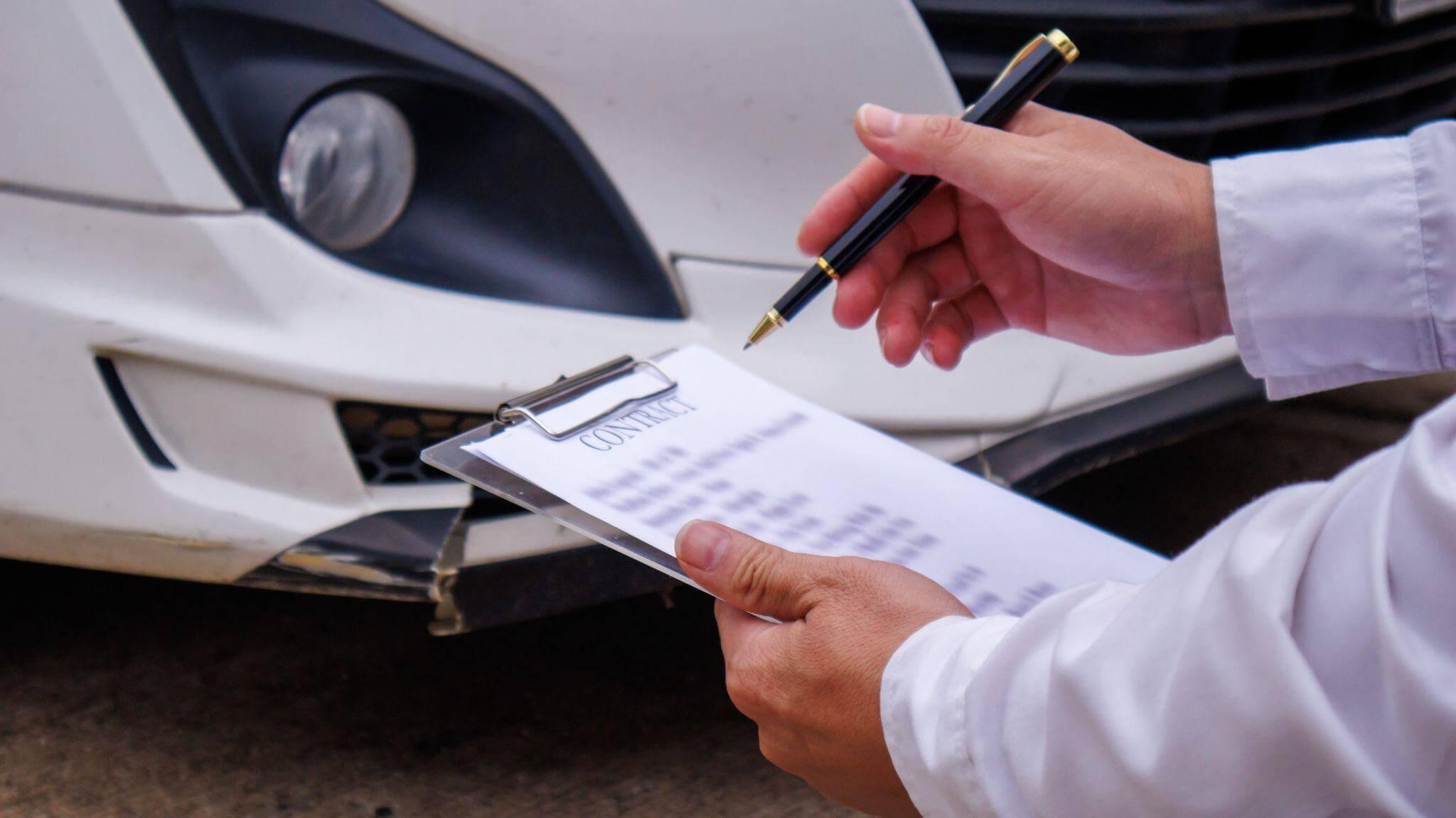
Compensation after a rideshare crash covers the same categories as any serious injury claim. Against a commercial rideshare policy, the harder question is usually which policy pays and up to what limit. The value of the loss itself is rarely the real dispute.
Economic damages cover losses with a dollar figure attached:
- Past and future medical care
- Lost wages and loss of earning capacity
- Property damage to your vehicle and belongings
Non-economic damages cover harm that does not show up on a bill:
- Physical pain and suffering
- Mental anguish
- Physical impairment and loss of enjoyment of life
Where a crash involves gross negligence, Texas also allows exemplary damages beyond these categories. What any of this adds up to depends on the injuries, the evidence, and the coverage available, so no honest number exists before the facts are in.
How Long Do You Have to File a Rideshare Claim in Texas?
After a rideshare crash, the filing deadline is easy to push aside while you are still treating injuries and fielding calls. Texas gives you two years from the date of the crash to file a personal injury lawsuit, under Tex. Civ. Prac. & Rem. Code § 16.003(a).
Once that window closes, a court will almost always refuse the case, whatever its strength. When a crash takes a life, a wrongful death claim carries its own two-year deadline that runs from the date of death, under § 16.003(b).
Beyond the deadline, the share of fault assigned to you shapes what you recover. A person found more than 50% at fault recovers nothing, and any award is otherwise reduced by that share, under Tex. Civ. Prac. & Rem. Code § 33.001.
Two years can feel like plenty of time, but in a rideshare claim the real constraint comes sooner. Trip data and app records are the proof the whole case rests on, and this evidence can disappear long before the filing window closes.
Rideshare Trip Records Do Not Stay Available Forever. Start a Free Case Review in Tomball Today.
If a claims administrator has already called, you know the pressure to give a statement and settle quickly, often before anyone knows what your injuries will cost. That same pressure is the reason to preserve the trip records now while they still exist.
We review rideshare claims at no charge, answer the phone around the clock, and work on a contingency fee, so you pay nothing up front and nothing at all unless we recover compensation for you.
Call us at 832-356-7983 or send your details through our contact form, and we can start protecting your claim today across Tomball, Spring, and Conroe.

Written By Jennifer LeMaster
Jennifer LeMaster is the founder of LeMaster Law Firm, representing injured Texans in personal injury, car accident, wrongful death, and insurance bad faith cases throughout the Houston area. With more than 20 years of legal experience, including prior work as an insurance defense attorney, Ms. LeMaster brings an insider’s understanding of how insurers operate to every case she takes. She has been named to Texas Super Lawyers annually from 2021 through 2026, holds a Martindale “Distinguished” peer rating, and earned her J.D., cum laude, from the University of Houston Law Center.
Request A Free Case Review




